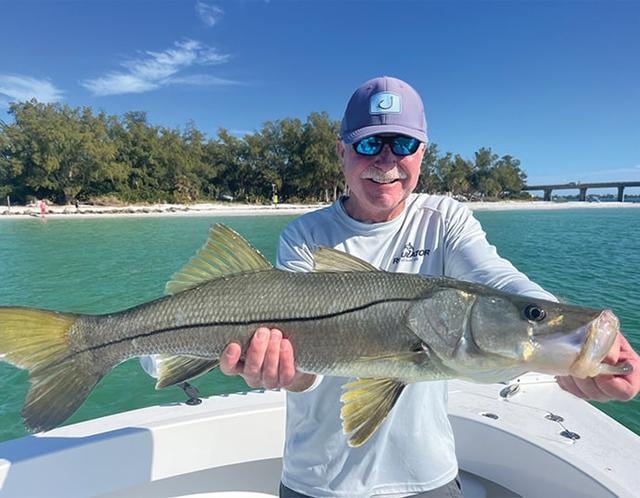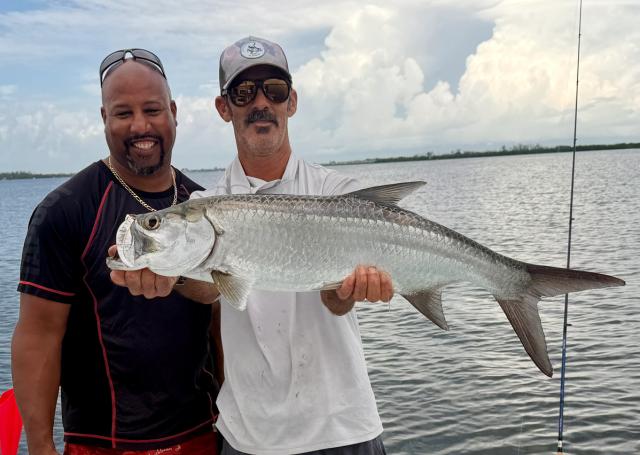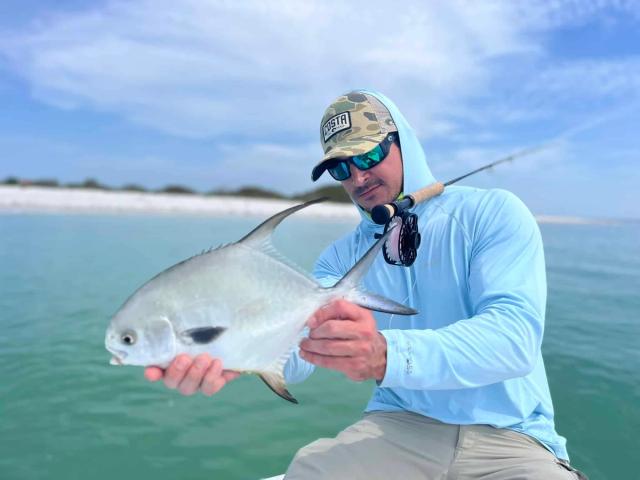
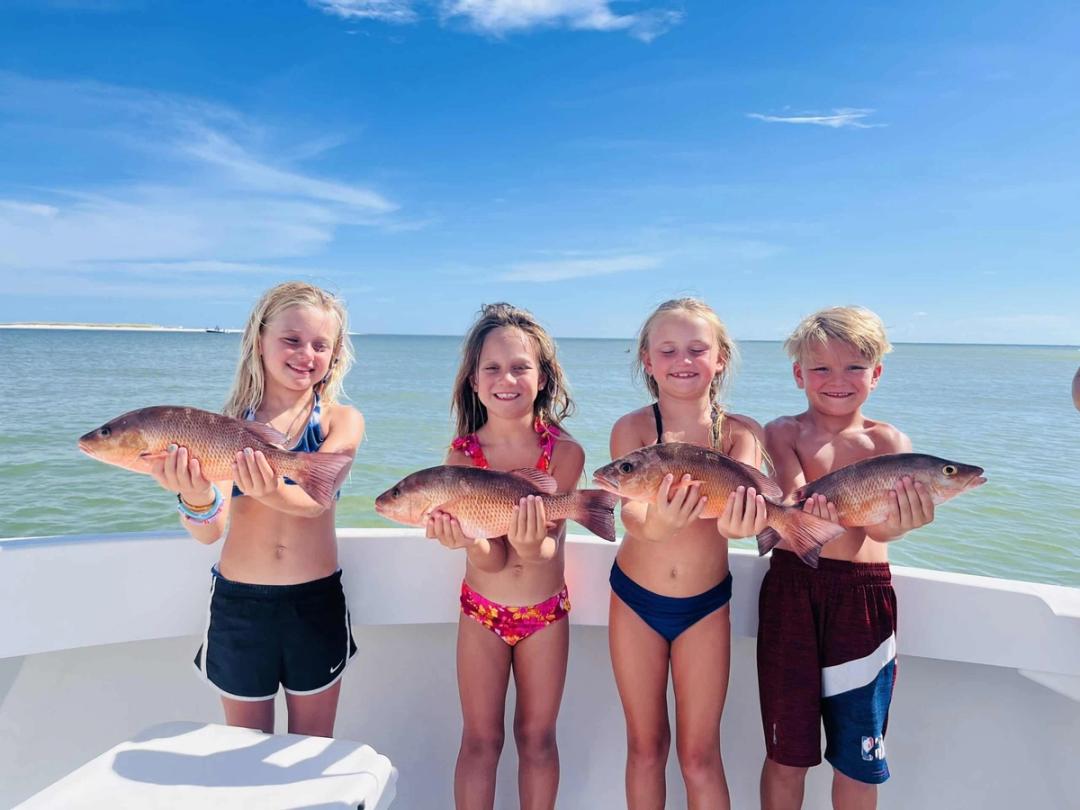
Ask five guides where to find mangrove snapper and you'll get five different docks. That's not evasion — mangrove snapper habitat around Anna Maria Island really is that specific. These fish don't roam open water the way trout or mackerel do. They set up on a piece of structure and stay close to it, which means knowing the structure matters more than knowing the general area. On our inshore charters we spend more time reading pilings, seawalls, and mangrove shorelines than we do running long distances, and that's exactly why we put snapper on the schedule as often as we do. It also means the best trip isn't necessarily the one that covers the most water — it's the one that fishes the right handful of spots patiently.
Mangrove Snapper Habitat Around Anna Maria Island
Florida Fish and Wildlife's own habitat profile puts it plainly: gray snapper — the same fish most anglers here call mangrove snapper — live in coastal waters near structure, especially reefs, mangroves, and seagrass. Around Holmes Beach and the rest of Anna Maria Island, that translates to dock pilings, bridge fenders, seawalls, and the tangled mangrove roots lining the back bays. Juveniles will even push up into brackish creeks and canals, which is why you'll sometimes find small ones holding under a dock in water that barely qualifies as saltwater. The bigger fish we target on charters sit tighter to hard structure — the shadow line under a dock, the downcurrent side of a bridge piling — where they can ambush anything the tide brings past. They spawn offshore between June and August, but the fish we're targeting inshore aren't there to spawn — they're there to feed and hide, which is exactly why they hold so tight to structure through the warmer months.
What Mangrove Snapper Eat
Gray snapper feed on crustaceans and small fish, and that diet shapes how we fish for them. Live shrimp is the standard bait here, because a snapper holding tight to a piling will usually take a lively shrimp before it takes anything else. Small pinfish and cut bait work too, especially with current moving food past the structure. These are wary fish with sharp eyesight, so we'll drop down to a lighter leader than most people expect and let the bait fall naturally instead of forcing it at them. On slower days we'll switch presentations before we switch spots, since a snapper that's seen one bait style go by unbothered often won't repeat the mistake.
How We Catch Them
Light to medium spinning tackle, a fluorocarbon leader, and a bait presented right on the structure — that's most of it. We'll fish a knocker rig or just enough weight to get the bait down without spooking the fish, then work the edges of a dock or bridge piling instead of casting into the open water nearby. We'll also idle the last stretch into a spot rather than run the motor right up on it — these fish notice an outboard closing in fast and shut down before the first bait ever hits the water. The strike itself is fast, and the fish turns for cover just as fast, so the hookset has to be immediate and firm. Losing one back into the pilings comes with the territory — it's a big reason mangrove snapper have a reputation as one of the more technical inshore fish to land consistently, not just hook.
Current Size and Bag Limits
As of this season, Florida's recreational minimum size for mangrove snapper is 10 inches total length, with a bag limit of 5 per person counted within the broader 10-snapper aggregate limit, and the season stays open year-round in state waters. That aggregate limit covers several snapper species landed together, not just mangrove snapper on its own, so it matters what else is in the cooler at the end of the day. Rules shift from year to year, so we check the current regulation before every trip instead of working from memory — you can do the same on FWC's recreational snapper page before you book.
If you'd rather see mangrove snapper habitat up close than just read about it, our inshore fishing charters spend a good part of the trip working exactly the structure described above — docks, bridges, and mangrove shorelines around Anna Maria Island. Reach out through our contact page and we'll get a trip on the books.
Ready for a day like this on the water? Book an Anna Maria Island fishing charter with Captain David White or compare our guided trip options — trips run year-round from Holmes Beach.